Skip to content
GLASS TORQUE

Automotive Glass Technology and Vehicle Glazing Education

SEE THE TECHNOLOGY BEHIND THE GLASS.

Explore the materials, construction, and engineering behind modern automotive glass. Discover how windshields, vehicle windows, glass coatings, and glazing systems are designed and manufactured.

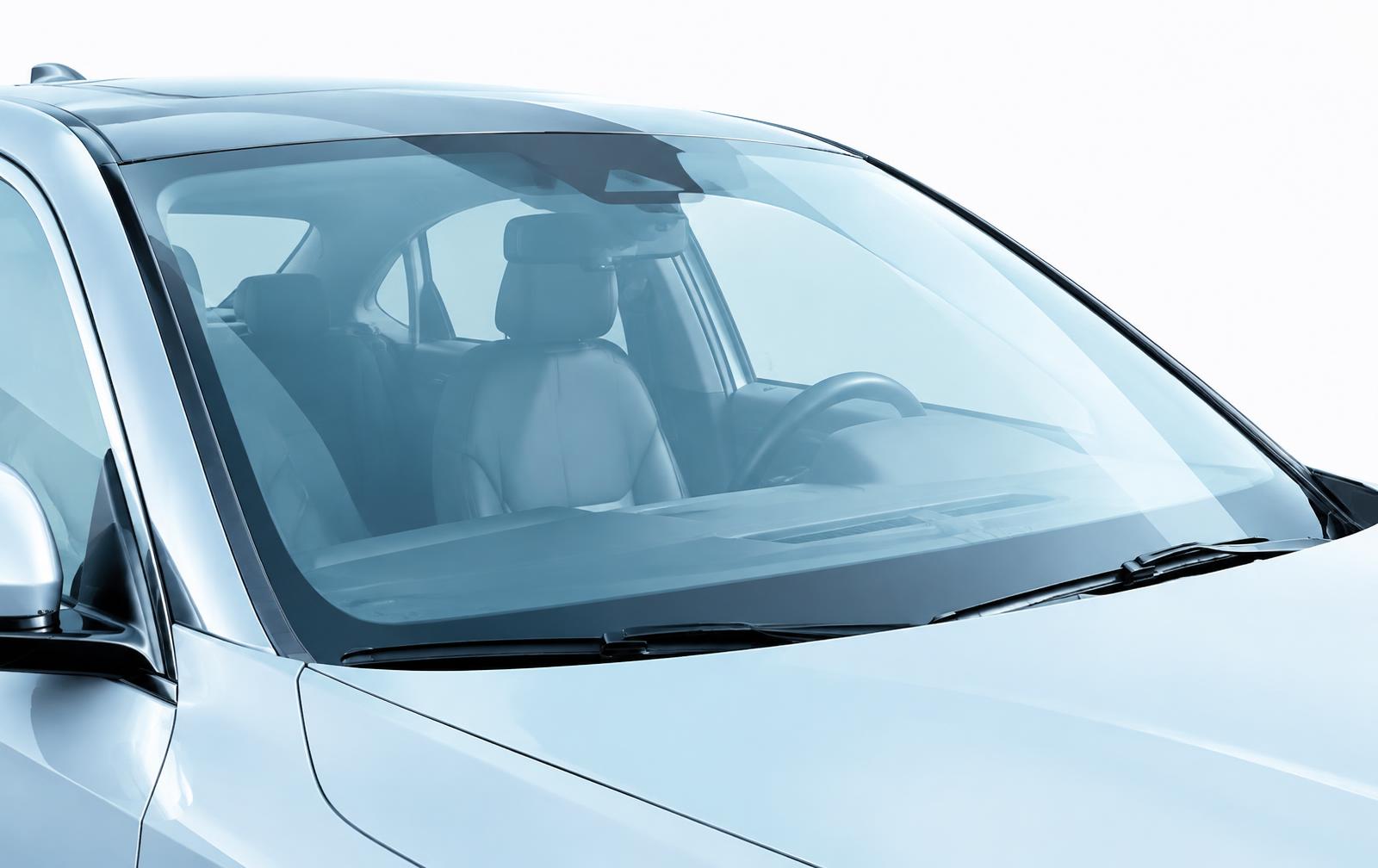
Clear laminated windshield on a modern car photographed in soft blue light

Learning Center

Automotive Glass Learning Center

Select a material to see how it works, where it is used, and its trade-offs.

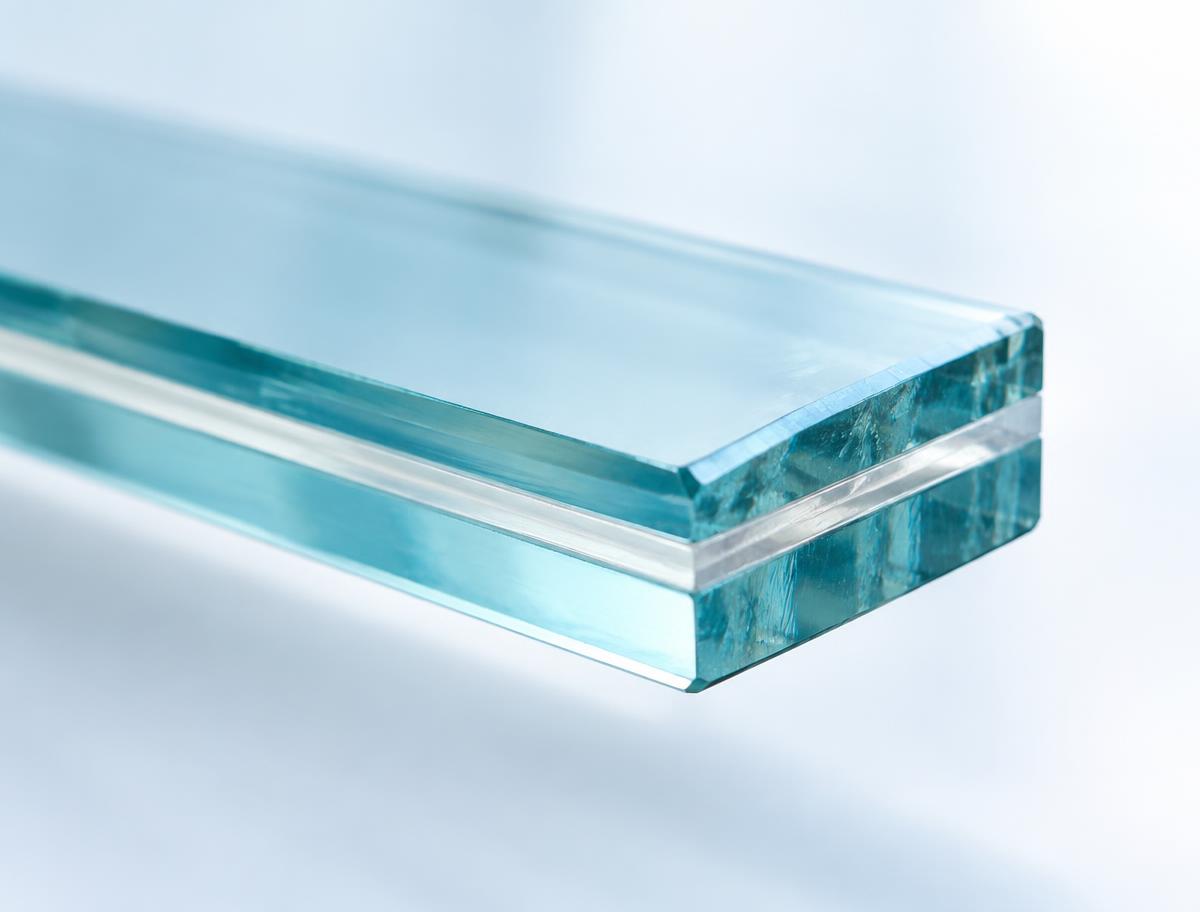
Edge of a laminated glass panel showing two glass layers bonded around a clear interlayer

Laminated Automotive Glass

Laminated glass bonds two sheets of glass to a flexible plastic interlayer, creating a single pane that behaves very differently from ordinary glass when struck.

Heat and pressure fuse the glass sheets to an interlayer, most commonly polyvinyl butyral (PVB). If the glass cracks, the interlayer holds fragments in place instead of letting them scatter.

Characteristics

  • Typically two glass plies around a 0.76 mm interlayer
  • Cracks in a spider-web pattern
  • Can be curved into complex shapes

Common applications

  • Windshields
  • Some side windows and sunroofs
  • Acoustic and solar-control glazing

Advantages

  • Retains fragments after breakage
  • Helps reduce outside noise
  • Blocks most UV radiation

Limitations

  • Heavier than a single tempered sheet
  • Damage is usually not repairable once cracks spread

Windshield Construction Guide

Three layers, one clear view

Modern windshields are laminated: two glass plies bonded around a plastic interlayer.

Outside1. Outer glass2. PVB interlayer3. Inner glassCabin
  1. 1. Outer glass layer. Faces the weather. Typically about 2.1 mm of annealed glass shaped to the vehicle profile.
  2. 2. Plastic interlayer (PVB). A tough, flexible film that bonds both plies. When the glass cracks, the interlayer helps hold broken fragments together so they stay attached rather than falling into the cabin.
  3. 3. Inner glass layer. Faces occupants. Carries the mirror button, sensor brackets, and the inner frit border.

Laminated vs. tempered at a glance

PropertyLaminated GlassTempered Glass
LayersTwo glass plies and an interlayerOne heat-treated sheet
When brokenCracks, fragments stay bondedBreaks into small granules
Common useWindshieldsMany side and rear windows
UV blockingHighLower

Each option suits different vehicle needs. Neither is universally better.

Read the full windshield guide

SMS Program

What you receive

The Glass Torque Automotive Glass Education SMS program is optional. Users receive text messages about automotive glass construction, glazing technology, vehicle window materials, glass terminology, and general information about automotive visibility and glazing systems.

  • SMS participation is completely optional.
  • You choose each SMS category separately.
  • Mobile opt-in information is never transferred for third-party marketing or lead generation.
  • Glass Torque is not an insurance company, carrier, agent, broker, or marketplace, and does not sell glass products or services.
SMS Preferences (optional)

Account Notifications

Marketing

By checking an SMS consent box, you authorize Glass Torque to send text messages to the phone number provided for the selected message category. Consent is optional and is not a condition of purchase, access, or use of this website. Message frequency varies unless otherwise stated. Msg & data rates may apply. Reply STOP to cancel or HELP for help. Mobile opt-in data and SMS consent will not be sold, shared, rented, or transferred to third parties for marketing or lead generation. See our Privacy Policy and SMS Terms of Service.

Reply STOP to cancel at any time. Reply HELP for help.

Get SMS Updates