Skip to content
GLASS TORQUE

Glass Coatings

Coatings and advanced glass features

Modern glazing can do more than let light through. Features vary widely and not every vehicle includes all of them.

Advanced features at a glance

  1. 01

    Hydrophobic coatings

    Make water bead and roll off, helping rain clear at speed.

  2. 02

    Solar-control glazing

    Absorbs or reflects infrared energy to limit cabin heat.

  3. 03

    Acoustic glass

    Uses a damping interlayer to reduce wind and road noise.

  4. 04

    UV-related properties

    Laminated glass blocks most UV radiation. Tempered glass blocks less unless treated.

  5. 05

    Heated rear windows

    Printed conductive lines warm the glass to clear frost and fog.

  6. 06

    Glass antennas

    Fine printed traces can receive radio signals without a mast.

  7. 07

    Camera and sensor areas

    Windshields may include clear zones and brackets for forward cameras and rain sensors.

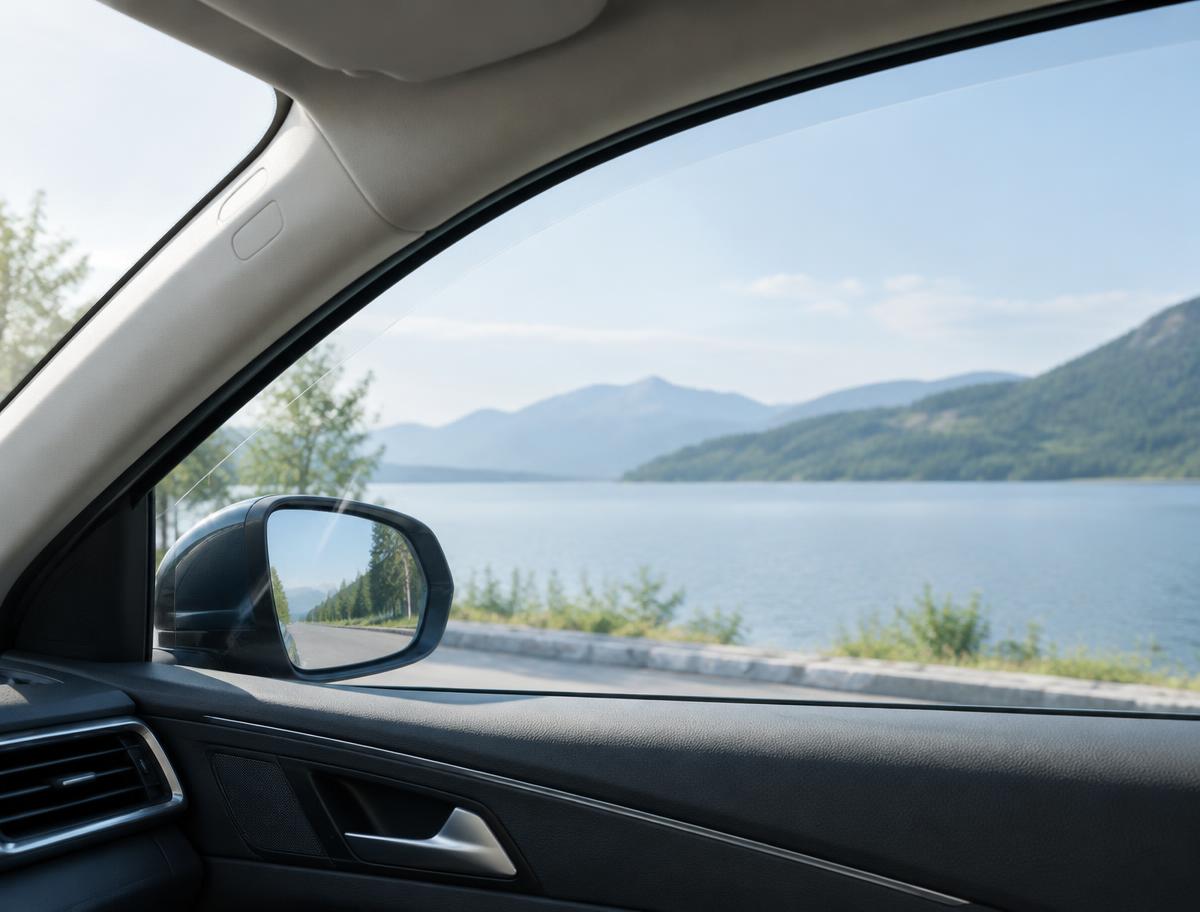
View through a car side window toward a calm lake and mountains

Acoustic Glass

Acoustic glass is laminated glass with a specially formulated interlayer designed to dampen sound.

A multilayer PVB interlayer with a softer core absorbs vibration, reducing transmission of certain frequencies such as wind and road noise.

Characteristics

  • Laminated construction
  • Sound-damping interlayer
  • Looks like standard glass

Common applications

  • Windshields
  • Front side windows on some vehicles

Advantages

  • Quieter cabin at speed
  • Retains laminated breakage behavior

Limitations

  • Added cost and weight
  • Benefit varies by frequency and vehicle
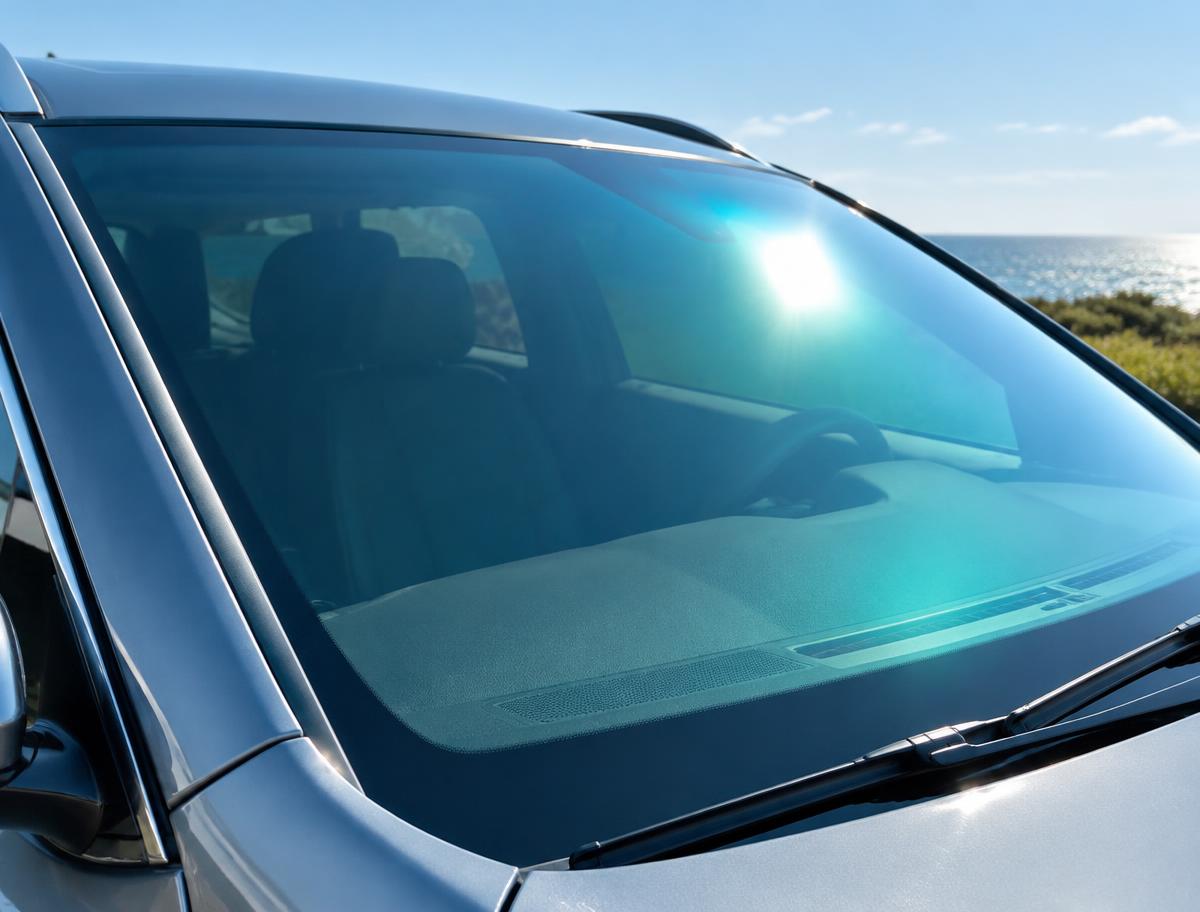
Windshield reflecting sunlight with a faint teal sheen from a solar-control layer

Solar-Control Glass

Solar-control glazing reduces the amount of solar heat that enters the cabin.

Infrared-absorbing glass compositions, tinted interlayers, or thin metallic coatings reflect or absorb part of the solar spectrum while transmitting visible light.

Characteristics

  • Tinted body glass or coated layers
  • Reduces infrared transmission
  • Visible light levels follow regulations

Common applications

  • Windshields
  • Roof glazing
  • Privacy rear glass

Advantages

  • Cooler cabin in sun
  • Can reduce climate system load

Limitations

  • Metallic coatings may affect some signals
  • Tint limits vary by region
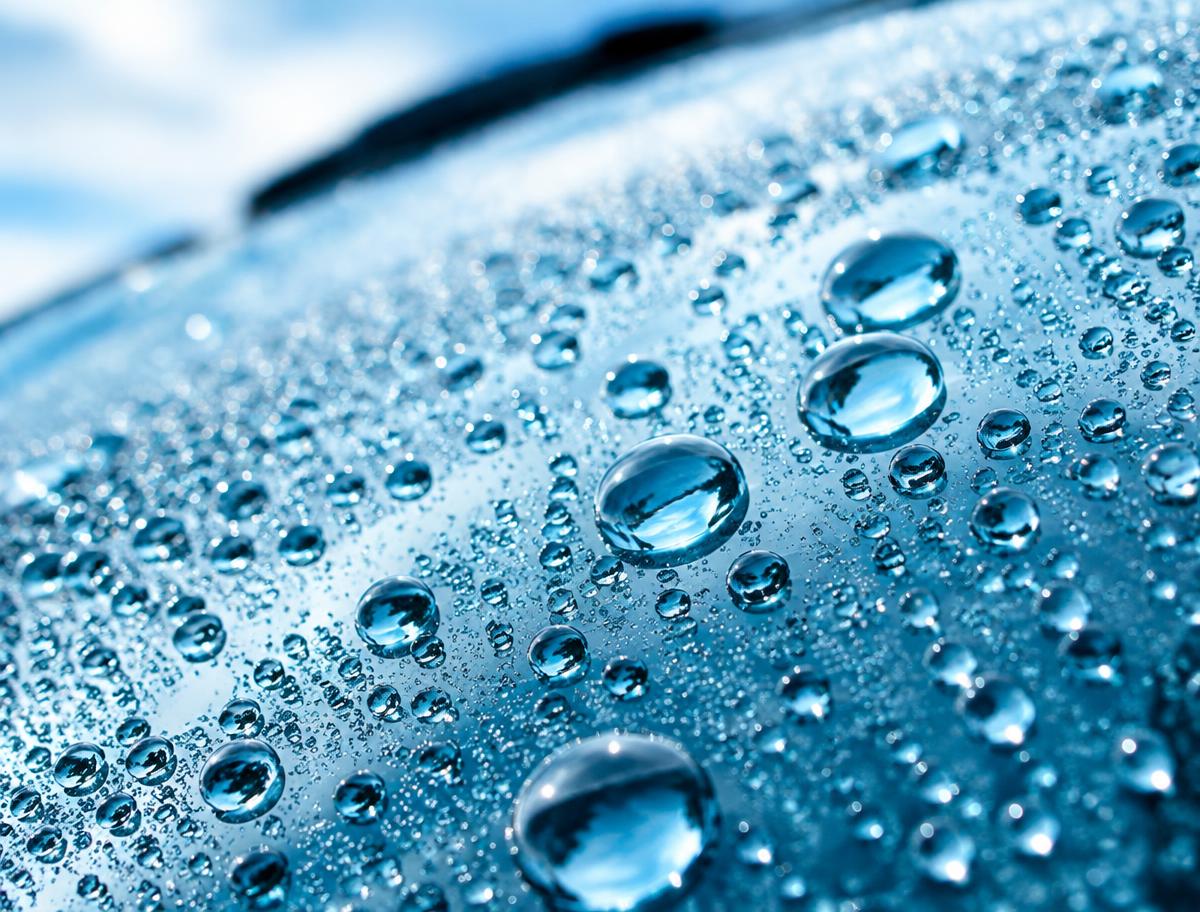
Round water droplets beading on a hydrophobic coated glass surface

Automotive Glass Coatings

Coatings add surface properties such as water repellency, heat reflection, or anti-fog behavior.

Thin films are applied by spraying, wiping, or vacuum deposition. Hydrophobic coatings lower surface energy so water beads and rolls away.

Characteristics

  • Nanometer to micrometer thickness
  • Factory or aftermarket application
  • Varying durability

Common applications

  • Windshield exterior surfaces
  • Mirrors and side glass
  • Coated solar layers

Advantages

  • Improved rain visibility
  • Added functions without extra layers

Limitations

  • Some coatings wear over time
  • Performance depends on surface preparation

Compare glazing options

PropertyLaminated GlassTempered Glass
LayersTwo glass plies and an interlayerOne heat-treated sheet
When brokenCracks, fragments stay bondedBreaks into small granules
Common useWindshieldsMany side and rear windows
UV blockingHighLower

Each option suits different vehicle needs. Neither is universally better.

Get SMS Updates