Laminated Automotive Glass
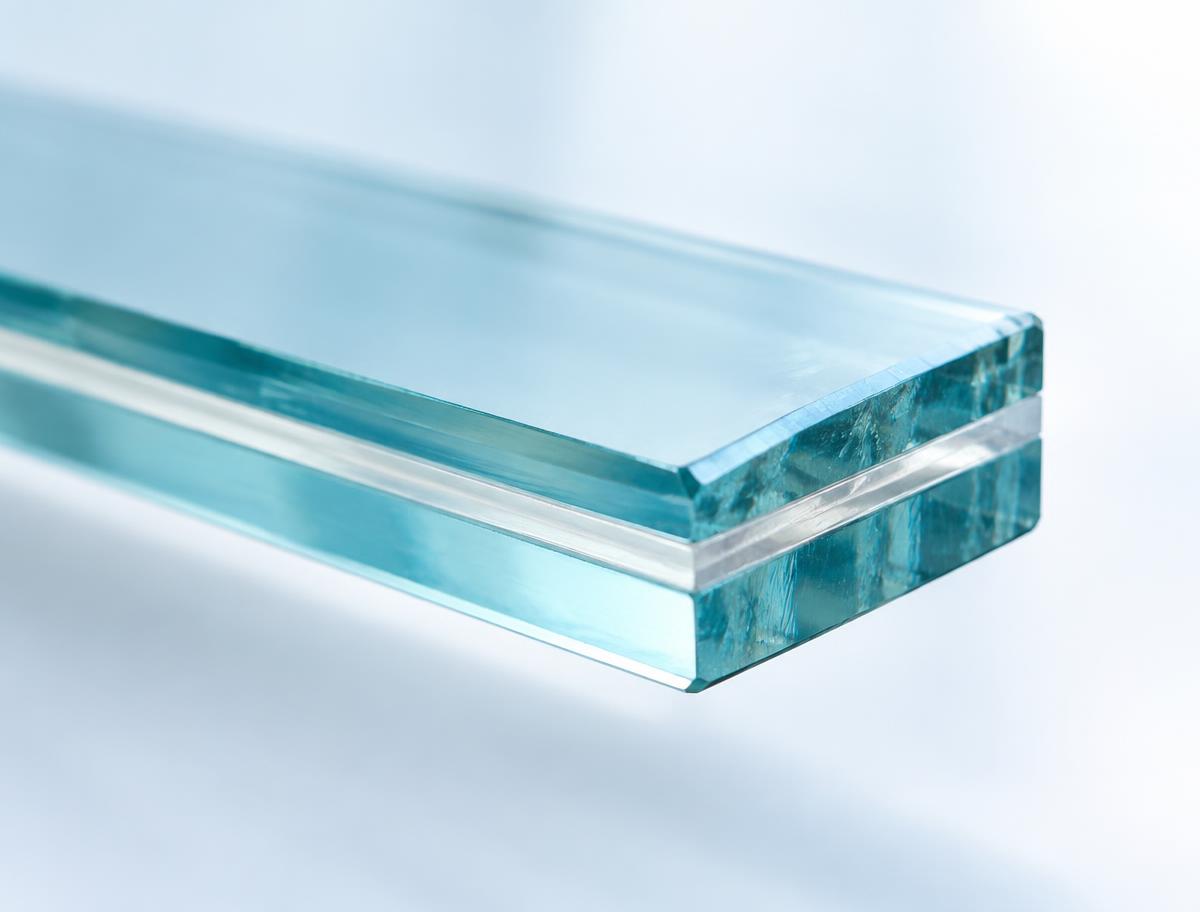
Laminated glass bonds two sheets of glass to a flexible plastic interlayer, creating a single pane that behaves very differently from ordinary glass when struck.
Heat and pressure fuse the glass sheets to an interlayer, most commonly polyvinyl butyral (PVB). If the glass cracks, the interlayer holds fragments in place instead of letting them scatter.
Characteristics
- Typically two glass plies around a 0.76 mm interlayer
- Cracks in a spider-web pattern
- Can be curved into complex shapes
Common applications
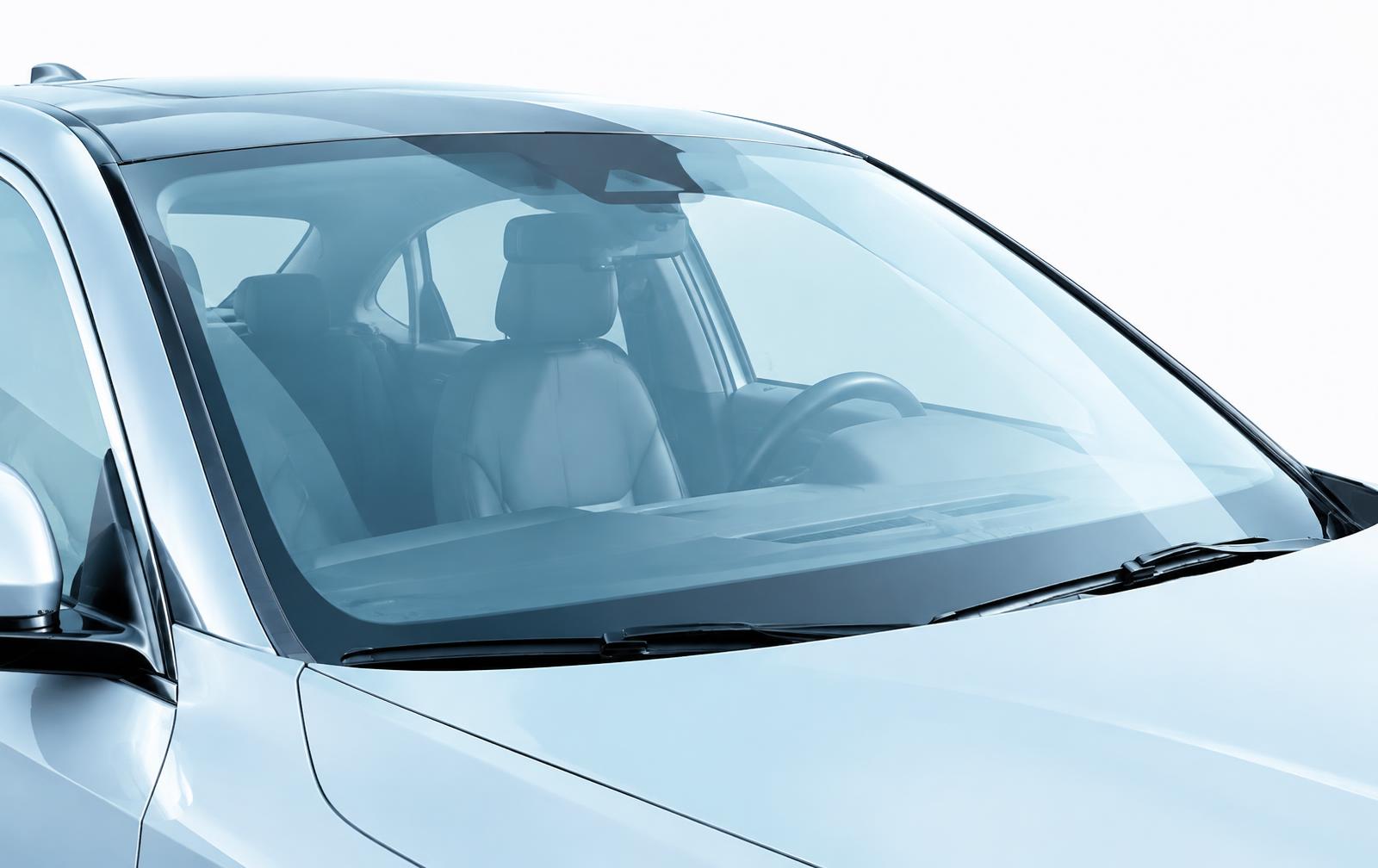
- Windshields
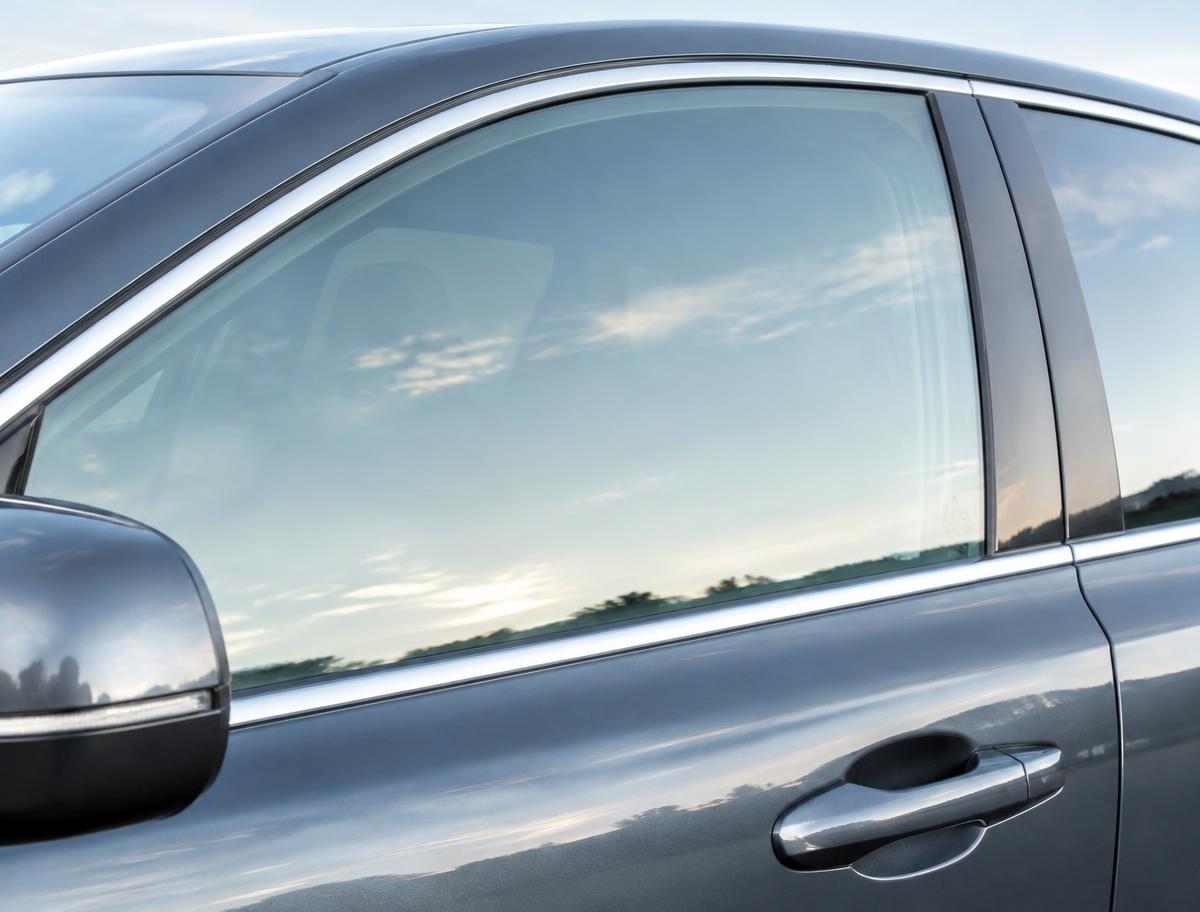
- Some side windows and sunroofs
- Acoustic and solar-control glazing
Advantages
- Retains fragments after breakage
- Helps reduce outside noise
- Blocks most UV radiation
Limitations
- Heavier than a single tempered sheet
- Damage is usually not repairable once cracks spread